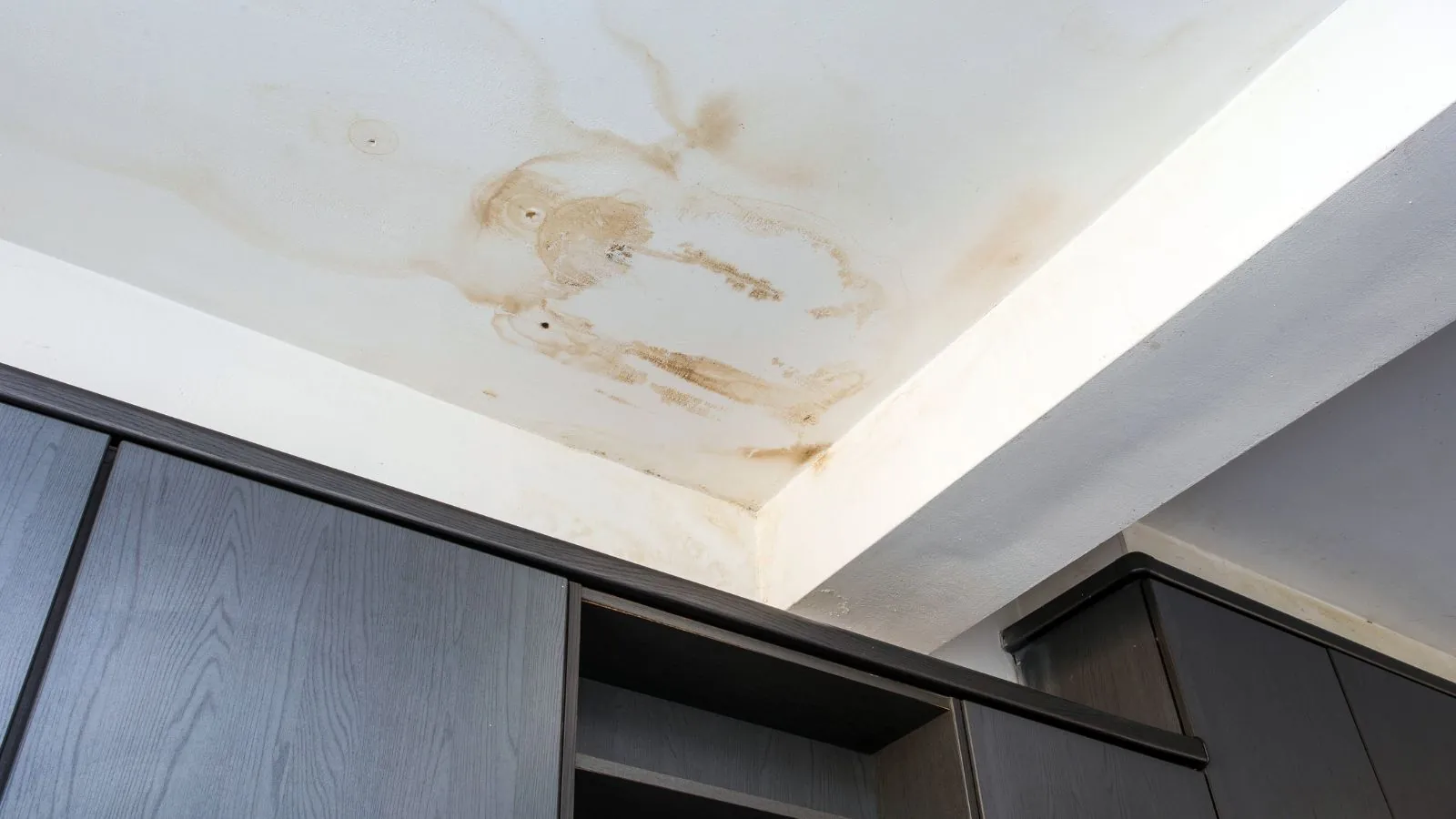
Commercial water damage is a water loss in a business, a multi-unit building or any property where people work, shop or rent. If water is on the floor of your Wyandotte, MI business right now, this is an emergency, and our 24/7 dispatch line is open. Protect inventory and equipment first, stay out of any water that touches live electrical, and call.
A business loss is different from a home loss because the clock includes revenue. Every day a store or office is closed costs money, so the plan has to balance drying thoroughly against reopening quickly. That plan starts with the first phone call.
When a business loss is an emergency
Any water reaching stock, flooring in a customer area, an electrical room or a server closet is an emergency. So is water that comes through a ceiling over shelving or machinery.
- Shut off the water supply if a line failed, and cut power to wet areas only if the breaker panel is reachable from dry floor.
- Move inventory, files and electronics up off the floor, onto shelving or pallets above the waterline.
- Keep customers and staff out of wet areas and away from any sagging ceiling.
- Photograph the loss and list affected items before moving them, since you will need it for your insurer.
For tenants, the next call is often the landlord or property manager, because the building system that failed may be theirs. The restoration crew works with whoever owns the structure and documents conditions for everyone involved.
Why Wyandotte businesses have specific risks
Downtown Wyandotte runs along Biddle Avenue, with storefronts, restaurants and offices in buildings of many ages. Older commercial buildings often have original roofs, mixed plumbing and basements under the retail floor, so a single failure can reach more than one tenant. When you reopen after a loss, you want moisture readings showing where the water went, not a guess based on what looks wet.
The north riverfront holds large industrial property, including the BASF Wyandotte site, and the city is a working river town. Industrial and warehouse spaces bring their own concerns, such as concrete floors, racking and chemical storage, and a water loss near stored materials should be reported to whoever manages them before anyone enters.
Business floor under water?
Call before you close up for the night. Describe the space and what is stored in it, and the line will say what to do first.
How commercial jobs are different
Commercial work is planned around the business. The crew documents the building, maps moisture and writes a drying plan before equipment goes in. Large spaces mean many air movers and several dehumidifiers, and they can be staged so you can keep working in dry areas.
| Space | Common problem | Typical priority |
|---|---|---|
| Retail floor | Supply line or roof leak over merchandise | Protect stock, dry the floor |
| Restaurant | Dishwasher, grease trap or kitchen sink | Sanitize food areas, dry cabinetry |
| Office | Ceiling leak from the floor above | Protect electronics, dry ceiling grid |
| Multi-unit | Failure in one unit reaching others | Document each unit, dry shared walls |
Moisture readings are logged daily, the same as on a home job, and the log becomes part of your claim documentation. The standards followed are the same ANSI/IICRC S500 practices used on residential work.
Related problems businesses call about
A kitchen-based business may need the kitchen water damage page for cabinet and floor questions. A supply line failure behind a wall is covered on the burst pipe page, and a sewer backup in a restroom or basement drain is a separate and more serious problem covered under sewage backup cleanup.
What decides the cost
Business losses are quoted after someone sees the space. The factors are the same ones the dispatch person walks through.
Size of the space
Larger floor area means more extraction, more equipment and more days.
Water category
Clean supply water, gray water and sewage are handled and priced very differently.
Materials
Commercial carpet, vinyl, concrete, ceiling tiles and drywall each have different dry thresholds.
Hours and access
After-hours work and phased work around operations change labor.
Rebuild scope
Reopening may involve replacing ceiling tile, drywall and flooring after drying.
Commercial property policies often cover sudden water damage but may treat business interruption as a separate coverage, and flood is commonly excluded. Read your policy or ask your agent, document inventory and downtime, and keep all invoices. For your real number, call (844) 950-6900.
Commercial questions
Yes. The dispatch line is answered 24 hours a day, every day, so a loss found Saturday night is handled the same as one on a Tuesday. Call, describe the space and the source, and the line will tell you what to do while a crew is arranged.
Often yes, in the dry areas. Drying equipment is loud and takes up floor space, so the plan usually closes the wet zone and keeps the rest open.
Report it to the building owner or manager immediately. The crew documents the conditions and the source, which supports whoever has to claim against whom.
Photos of the damage and the water line, a list of affected inventory and equipment, dates and times, and the daily moisture log the crew provides.