These guides answer the questions people ask after the first panic passes: whether insurance pays, how a job should be run, what to throw away and what to put in writing. They are general information, not legal or insurance advice, and each includes a section on what is true in Wyandotte, Michigan. If water is spreading right now, stop reading, close the shutoff and call (844) 950-6900.
Insurance, money and paperwork
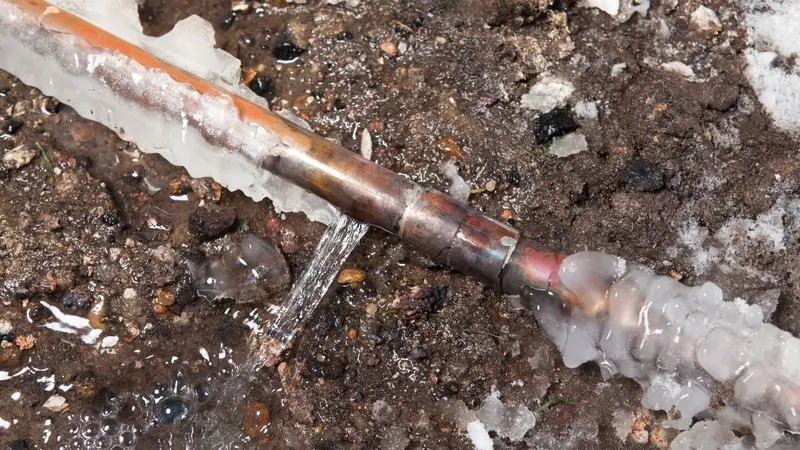
Does Homeowners Insurance Cover Water Damage?
Covered versus excluded causes and what Michigan's regulator says about flood and sewer backup.
Read more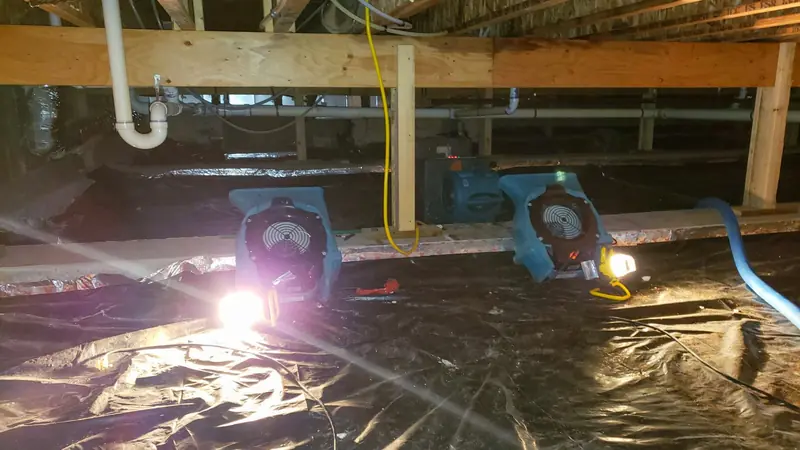
Questions to Ask a Restoration Company
Ten questions on scope, measurement, paperwork and pricing.
Read more
Water Damage Estimate Checklist
Compare estimates line by line so you pay for the right work.
Read more
How to Read a Scope of Work
The terms, the units and the questions to ask before you approve.
Read moreHow the work is done
The Water Damage Remediation Process
Eight steps from stopping the source to rebuild, and what a drying log should show.
Read more
Restoration vs Remediation
What each word means and how to read a quote that uses both.
Read more
DIY Drying vs Professional Help
Where the line sits between a weekend job and a crew job.
Read more
Do Repairs Need Permits?
Which post-loss repairs usually need permits and who to ask.
Read moreProtecting your home and belongings
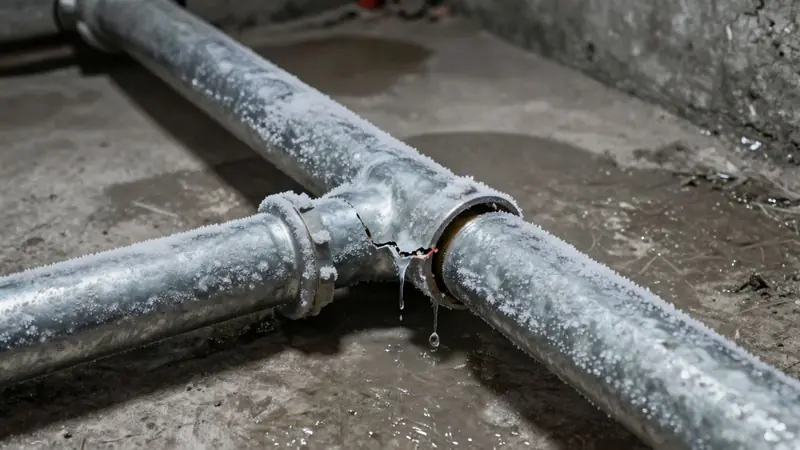
Prevent Water Damage When Away
A checklist for trips, winter absences and house sitters.
Read more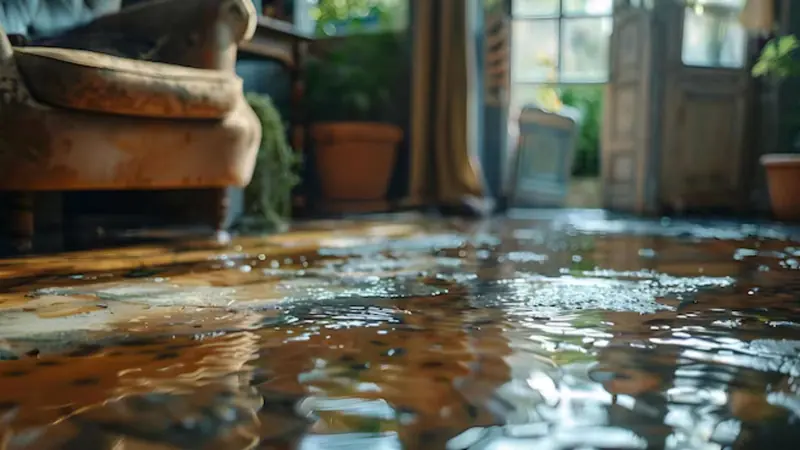
What to Keep or Throw Away
A water-type table for furniture, food, fabric and more.
Read more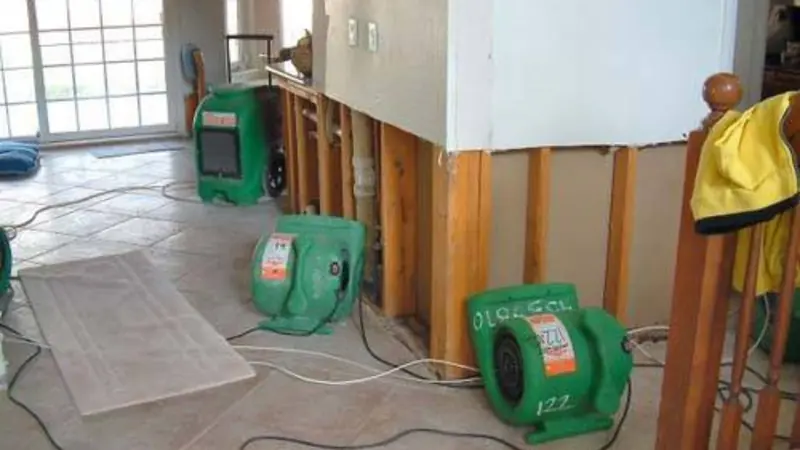
Save Photos and Documents
Air drying, freezing and what to document for a claim.
Read more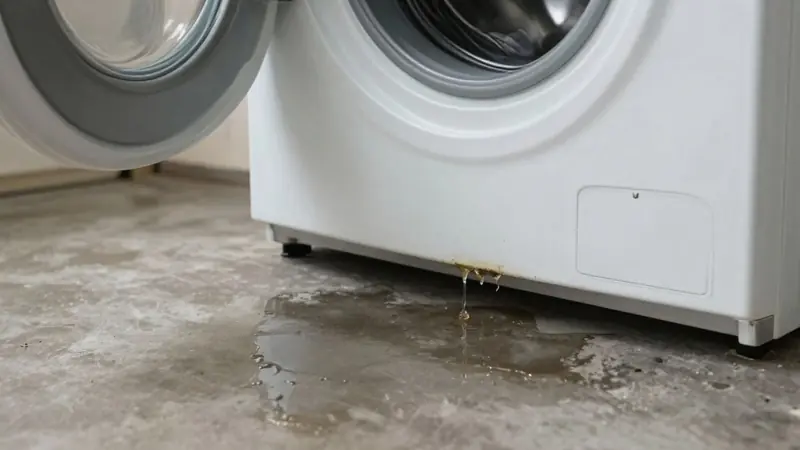
Water-Damaged Electronics
When to unplug, when to stay out and when to call an electrician.
Read moreBuying, selling, renting and billing
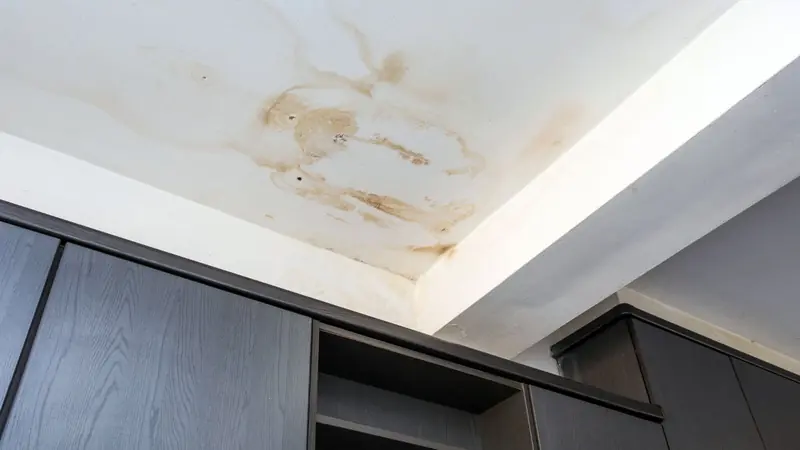
Selling a House With Water Damage
What Michigan's disclosure form asks and which records help.
Read more
Sudden Spike in Your Water Bill
Meter, toilet and appliance checks before you call anyone.
Read more
Water Damage in a Rental
Tenant and landlord duties and what to put in writing.
Read moreHow these guides are written
Each guide cites primary sources where it makes a factual claim. Examples are the Michigan Department of Insurance and Financial Services, Public Act 222 of 2001 on sewer backup notice, the Seller Disclosure Act, NWS climate normals and FEMA's declaration for the August 2014 storm. Local facts come from the City of Wyandotte, Wyandotte Municipal Services and Census figures.
None of the guides gives exact prices, because a fair number needs a look at the loss. They also do not promise how a claim will turn out. Your policy and your insurer decide coverage.
The drying terms in these guides come from the ANSI/IICRC S500 standard.
Need a service page instead?
If you already know what happened, the services page sorts every kind of water loss by cause. If you are in a nearby town, the areas page lists the Downriver towns with their own pages.