Structural drying is the process of removing moisture from the framing, subfloor, drywall and air of a building after a water loss, using air movers, dehumidifiers and moisture meters. It is also what the industry calls water mitigation, and it is the step that decides whether a wet building recovers or grows mold. If your Wyandotte, MI home smells damp or feels humid after a leak, this page explains how drying works and how you know it is finished.
Drying is a science and not a guess. A fan pointed at a wet wall moves air around, but it does not control humidity, and wet materials only give up their moisture when the air around them is dry enough to take it.
Wet walls, damp smell, floors that still feel cool
Most people arrive at this page with symptoms and not a trade term. A wall that feels cool and slightly soft, a damp smell that returns after you clean, baseboards that stay dark and a floor that cups all point to moisture still inside the structure.
Surface dryness fools almost everyone. Drywall can feel dry on the face while its paper backing and the insulation behind it stay wet. The trade answer to those symptoms is structural drying, which starts with finding where the water went.
How moisture mapping works
The crew starts with a pin or pinless moisture meter, then a thermal imaging camera, and builds a map of wet and dry areas. A thermal camera does not see water directly. It shows temperature differences, which flag cooler wet zones that the meter then confirms.
The map sets the drying goal. Readings in unaffected parts of the same building set the target, because a dry-standard reading depends on the material and the local climate. A drying log records the starting readings, the equipment placed and every daily reading until the goal is met.
Walls still damp after the cleanup?
Call and describe what you see and smell. A moisture check shows what the surface hides.
What the equipment does
Each tool has a specific job in the drying system, described in the ANSI/IICRC S500 water damage standard.
| Equipment | Job | Where it goes |
|---|---|---|
| Air movers | Move air across wet surfaces to release moisture | Along walls and floors, angled at surfaces |
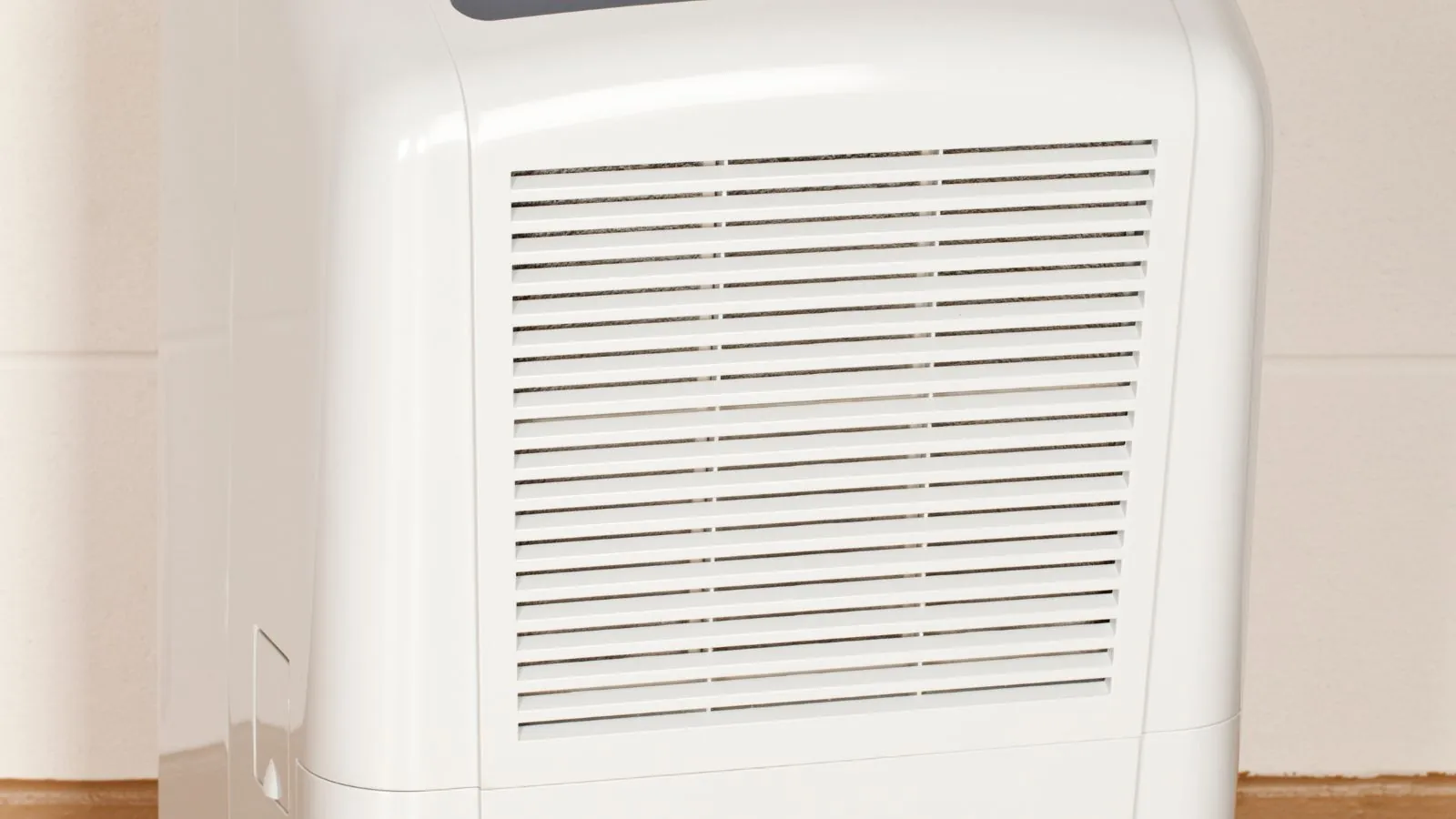
| LGR dehumidifiers | Pull moisture out of the air so drying continues | In the drying zone with doors closed |
| Desiccant dehumidifiers | Dry very cold or low-humidity spaces | Basements, crawl spaces, cold weather jobs |
| Injection drying systems | Push dry air into wall cavities and under flooring | Through small holes, for hardwood and cabinets |
| Moisture meters and thermal camera | Find and track wet material | Throughout, every visit |
The zone is closed and kept warm, since moisture only leaves materials when conditions allow it. Equipment is checked daily and moved or removed as areas reach the goal.
Water mitigation and why timing matters
Water mitigation is the work done in the first days to stop damage from spreading. It includes extraction, removal of wet materials that cannot dry, drying equipment and moisture documentation. The faster it starts, the fewer materials have to be torn out, which is why the dispatch line is open 24/7.
Drying usually takes three to five days for a typical residential loss, but that is a range and not a promise. Dense materials such as hardwood and plaster, cold weather and large wet areas all push it longer. The crew sets the real timeline from the readings.
Wyandotte specifics
Michigan winters keep homes closed up and heated, which helps drying. But humid summer weather off the Detroit River works against it, and the dehumidifier workload changes with the season. A summer loss in a closed-up Wyandotte house can need more dehumidification than a winter one, because the outside air is not dry enough to help.
Drying also connects to the other pages. The basement water damage page covers the cool, humid conditions below grade, the hardwood floor page explains why wood needs special drying, and the ceiling water damage page covers drying above-ceiling cavities.
Safety guidance during drying: keep cords out of damp areas, do not block the dehumidifier exhaust and keep children and pets away from open wall cavities.
What decides the cost
Wet area and volume
More wet material and more cubic feet of air mean more equipment.
Material types
Hardwood, plaster and concrete dry slowly, while drywall and carpet dry quickly.
Water category
Contaminated water calls for removal first, with drying after.
Duration
Each additional day of equipment and monitoring adds cost.
Access and conditions
Tight cavities, cold rooms and sealed spaces need specialized equipment.
Drying after a sudden and accidental loss is often covered. Insurers usually want the moisture log and photos, so ask for the daily readings. Check your policy and ask your insurer what documentation they need. For your real number, call (844) 950-6900.
Drying questions
By meter readings compared with the dry standard for that material. When wet materials read the same as unaffected materials in the building, drying is complete and the equipment comes out.
For a small damp spot, yes. For a real water loss, household equipment is not strong enough to dry framing, and without moisture readings you cannot tell if the structure is dry.
In humid weather outside air adds moisture. Drying works best in a closed, warm space with dehumidifiers pulling moisture out.
Drying removes the moisture mold needs, so it is the main protection. Mold needs moisture, and the dry-standard readings show when that moisture is gone.