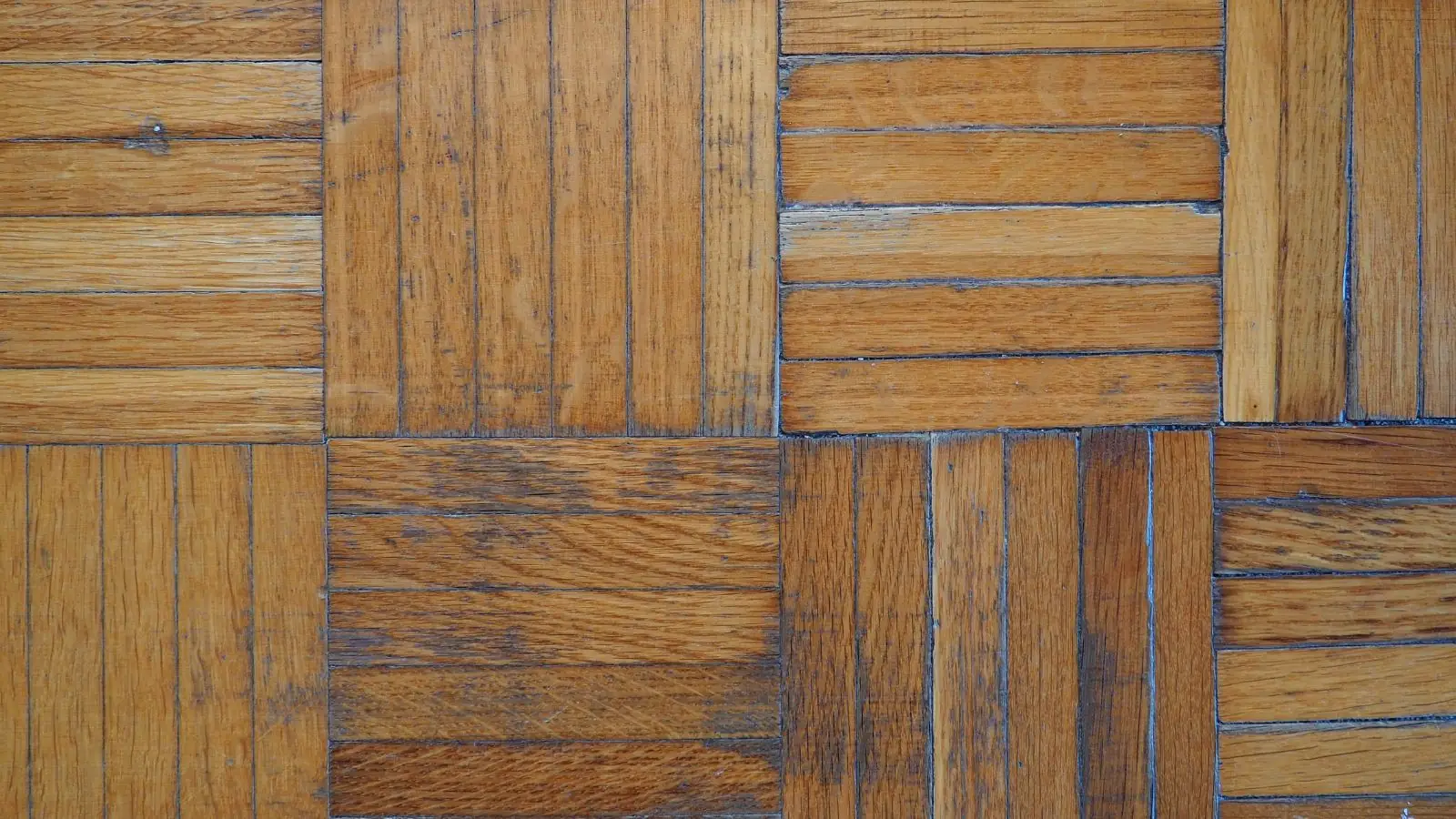
Hardwood floor water damage is moisture absorbed by wood flooring, causing the boards to swell, cup, crown or lift from the subfloor. If your Wyandotte, MI hardwood is wet, stop the water source, get rugs and furniture off the boards and call. The 24/7 dispatch line is open, and the first day matters most.
Wood is a natural sponge. It takes up water through its edges and underside much faster than through its finished top, which is why a floor can look fine for a day and then start to cup. The finish protects the surface, but the seams and the back of each board are exposed.
What wet hardwood looks like
Different shapes of damage point to different problems. Knowing which one you have helps you describe it on the phone.
Cupping
Board edges rise higher than the center, which means moisture came from below or the floor is drying unevenly.
Crowning
The center of each board is higher than the edges, often after a cupped floor was sanded too early.
Buckling
Boards lift off the subfloor in a hump, a sign of heavy or long-term water.
Dark stains or black spots
Water has reached the wood itself, and the stain may not sand out.
Gaps and swollen seams
The floor absorbed water and then shrank as it dried.
Cupping is the most common and the most hopeful sign. A floor that has only cupped can often flatten again as it dries slowly and evenly, as long as the wood has not been held wet for weeks.
Can the floor be saved?
Drying is the first answer, and sanding is the last. The crew measures the moisture in the boards and the subfloor with a meter, removes standing water and sets drying equipment that moves air and removes moisture without cooking the wood. Some jobs use mats that pull moisture up through the boards from the top.
Sanding and refinishing wait until readings are normal. A floor sanded while it is still wet will crown or gap later, and that mistake is expensive.
| Condition | Usual path |
|---|---|
| Light cupping, caught early | Dry slowly, wait, then refinish if needed |
| Buckled boards | Dry and test, replace boards that will not relax |
| Black stain through the wood | Sand if shallow, replace if deep |
| Engineered hardwood with swollen layers | Often replaced |
| Floor wet for weeks | Often replaced section by section |
The same logic is used on other flooring, so the carpet water damage page covers soft floors, and the structural drying page explains how the subfloor and cavity are dried.
Hardwood wet right now?
Stop the water source, lift rugs and furniture off the boards, and call. Describe how long the floor has been wet.
What helps in the first hours
Start with the source. If a pipe is leaking, close the shutoff, and if an appliance failed, the appliance leak page covers that case. Mop or wet-vacuum the standing water, lift rugs and furniture so the boards can breathe and run a fan at low speed across the floor.
Do not try to speed things up with high heat or a heater pointed at the boards. Fast drying can make cupping worse. Also avoid covering the floor with plastic or towels that trap moisture. Photograph the floor before anything moves.
Hardwood in older Wyandotte homes
Older Wyandotte houses, such as those in Glenwood and Ford City, may have hardwood over plank subfloors, so the floor type is worth checking. Plank subfloors let air move, which helps drying, but they also let water drop through to a basement or crawl space below. After a leak on a main floor, check the ceiling or joists under the wet area.
Sanded and refinished floors are common in older homes and may already be thin. A floor that has been refinished several times has less wood left to sand, which can limit repair options. A moisture reading and a close look at the boards show whether more sanding is possible.
Wet floors are slippery and can hide live cords, so the safety steps are to unplug anything resting on the boards and wear shoes with grip. The drying goals here follow the ANSI/IICRC S500 standard.
What decides the cost
Area and species
A hallway costs less than a whole main floor, and wider boards behave differently from narrow strips.
Time wet
Hours versus days changes whether boards flatten or are replaced.
Floor type
Solid hardwood can often be sanded, while engineered layers cannot always be.
Subfloor condition
A wet subfloor adds drying time and sometimes replacement.
Finish and rebuild
Sanding, staining and matching an older floor are separate from drying.
Sudden water events are often covered, while long-term seepage often is not. Ask your insurer how it treats flooring, and keep photos and drying logs. Check your policy and ask your insurer. For your real number, call (844) 950-6900.
Hardwood questions
Wet wood is time sensitive. If water is still running or has spread, call the 24/7 line now. Boards left wet for days are far more likely to need replacement.
Often yes, if it dries slowly and evenly and has not been wet for too long. Wait for normal readings before sanding.
No. Sanding a wet floor leads to crowning and gaps once it dries.
It is dried the same way, but its layers can separate when soaked, so replacement is more common.