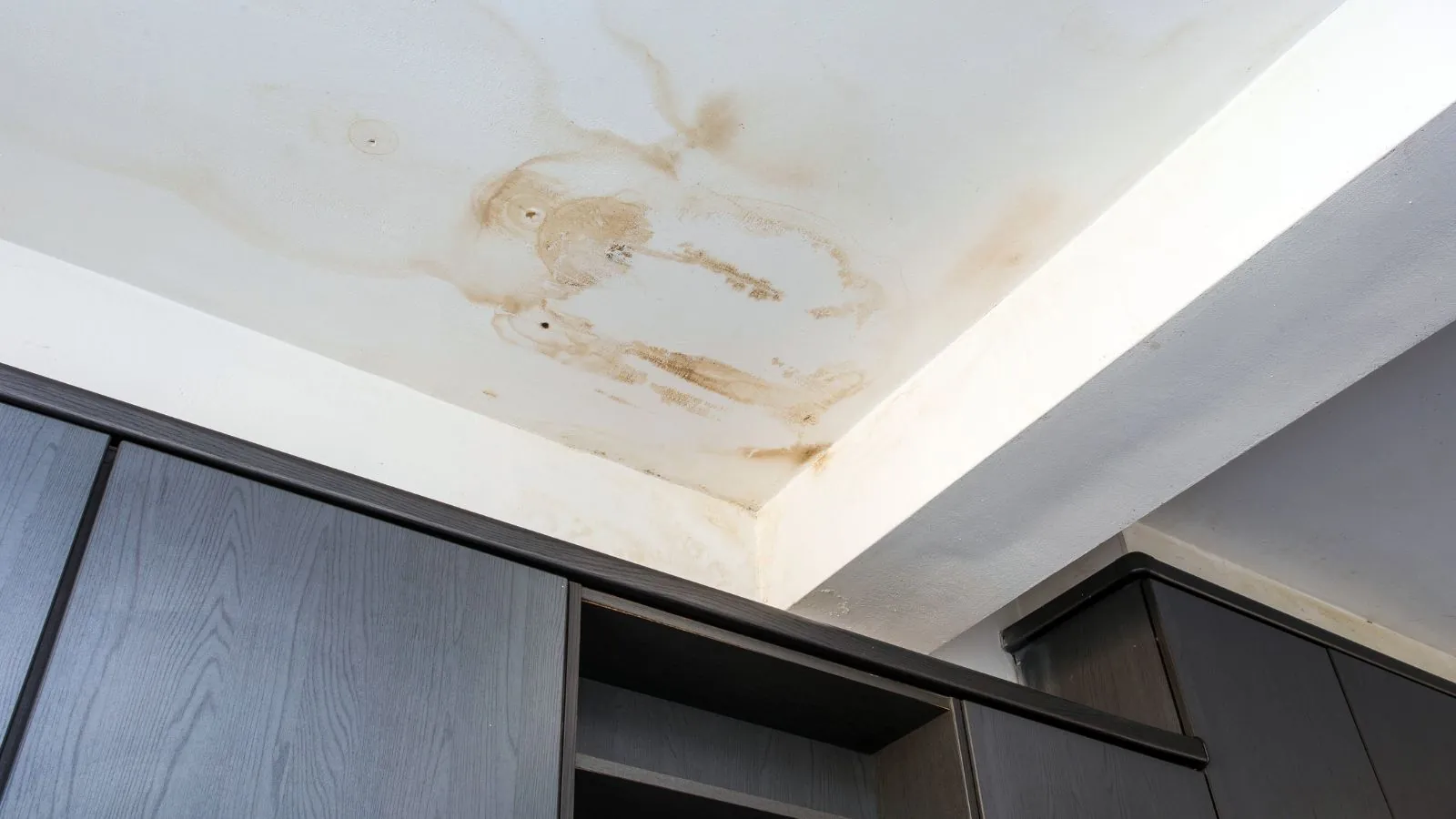
In Michigan, sellers of most residential property must give buyers a signed seller's disclosure statement, and that form asks directly whether there has been evidence of water in the basement or crawl space. You answer based on what you know, explain any yes and keep records of repairs. This guide is general information, not legal advice, so talk to a real estate attorney or your agent about your own sale.
The practical path is to fix and dry the problem properly, document it and answer the form honestly. A repaired, documented water loss is easier to sell than a rumor.
What Michigan's disclosure law says
Michigan's Seller Disclosure Act, 1993 PA 92, requires sellers of residential property to deliver a disclosure statement to the buyer before the sale is final. The statutory form asks about the condition of the property as the seller knows it. It includes a question about whether there has been evidence of water in the basement or crawl space, and it asks the seller to explain a yes.
The form is not a warranty. It reports what the seller knows. The statute also states that failing to give a purchaser a signed disclosure statement lets the purchaser terminate an otherwise binding purchase agreement. Exemptions exist for certain transfers, so ask an attorney whether yours qualifies.
Answering the water question
Be honest and specific. If there was a sump failure in 2022, say so, and say what was done. If a pipe burst and was repaired, say when. If you do not know, the form lets you say so. What you should not do is write no when you know the answer is yes.
| Situation | Honest approach | Records to attach |
|---|---|---|
| One-time pipe burst, repaired | Disclose date and repair | Invoice, drying log, photos |
| Basement seepage after storms | Disclose frequency and fixes | Sump or drainage work, receipts |
| Sewer backup, cleaned | Disclose and describe cleanup | Cleanup scope, final readings |
| Old stain, cause unknown | Disclose what you know | Plumber or inspector note |
| Water in a prior owner's time | Disclose what you were told | Prior documents, if any |
Preparing a wet house for sale?
Dry it properly and keep the records. Describe the loss and ask what documentation to request.
Records that help
A drying log with start and finish readings shows the structure reached a dry standard. Invoices show the work done. Photos show the condition before and after. Permits and inspection records show that repairs were done properly. Keep all of these in one folder, and give copies to your agent. See the structural drying page for the readings a good job produces.
If the loss involved contaminated water, the cleanup record matters even more, since buyers worry about it. The sewage backup cleanup page explains the steps a proper cleanup includes.
Repair before listing or sell as is
Two paths exist. You can repair the damage, dry it and list a clean house with records. Or you can sell as is, disclose the problem and price accordingly. Repairing costs money and time but widens the buyer pool. Selling as is saves effort but narrows the pool and can lead to hard negotiation. Ask your agent which fits your timeline and market.
If you repair, use contractors who document their work. If the loss is covered by insurance, ask the insurer about the claim process before work begins, and keep in mind that a claim history may show up when buyers shop for coverage.
- Staining on ceilings, walls and floors
- Musty smells and damp corners in basements and crawl spaces
- Signs of recent paint over stains
- A sump pump with a clean, working pit
- Records for repairs, permits and inspections
Do not hide it
Painting over a stain or removing evidence before a showing is a bad idea. Inspectors use moisture meters and thermal cameras, and the next owner will find it. A concealed problem can lead to legal trouble, a lost sale or a claim after closing. An honest disclosure with records is the safer path.
Selling in Wyandotte after a water loss
Wyandotte has 11,872 housing units and many are older houses with basements, and buyers know the area gets heavy rain. The August 2014 storm, declared a disaster by FEMA as DR-4195 in Wayne County after NOAA reported four to six inches of rain in about four hours, is part of local memory. A buyer may ask whether a house was affected, and a clear answer with records builds trust.
Permits matter too. The Engineering and Building Department handles building permits, and the city's electrical code adopts the 2023 National Electrical Code. If repair work needed permits, keep the inspection records for the buyer's file.
Homes in Grosse Ile and Ecorse sell under the same state law, with local conditions that buyers will ask about.
Working with your agent and attorney
Tell your listing agent about the loss early. Agents have seen these situations and can suggest how to present the records. If you are unsure what to write on the form, ask an attorney. A short consultation is cheap compared to a dispute after closing.
Pricing and negotiating with a repaired loss
A documented repair often supports your asking price better than a vague history. A buyer who sees a drying log, invoices and a clean inspection has less to bargain over. A buyer who sees a patched ceiling and no paperwork may ask for a credit or walk away. If a repair is incomplete at the time of the sale, a written agreement about who pays and when can prevent disputes after closing.
Consider a pre-listing inspection. A report from an independent inspector that shows normal moisture readings in the affected area is one more document for the file, and it lets you deal with surprises before an offer is on the table.
After an accepted offer
Expect the buyer's inspection to look at the area. Be ready to show the drying log, the repair invoices and any permits. If the inspector finds something new, be ready to discuss repairs or credits. Staying cooperative and documented keeps the deal on track.
Disclosure questions
The form asks about evidence of water in the basement or crawl space. Answer based on what you know and explain what was done. Ask an attorney about your facts.
The form allows you to state what you do not know. Do not guess, and do not conceal what you do know.
The form focuses on property conditions. Ask your agent or attorney how claim history is handled in your sale.
Ask the city's Engineering and Building Department, and keep your own copies of anything issued.