Water damage remediation is the process of stopping a water loss, removing the water, drying the structure and returning the home to a dry, safe condition. The steps run in a set order because each one depends on the one before it. If a crew skips ahead, the result is usually a wall that looks dry and is not.
This guide walks through the sequence used in the ANSI/IICRC S500 standard for professional water damage restoration, in plain language, and explains what you should see at each step.
Step 1: Stop the source and make the area safe
Nothing else works until the water stops. A plumber or the homeowner closes the shutoff, the electrical hazards are assessed and people are kept out of contaminated areas. If the water came from a drain, flood or storm, the crew treats it as contaminated until proven otherwise.
Step 2: Assess and classify the loss
The crew inspects with moisture meters and often a thermal camera, then classifies the water by category and the damage by class. Category runs from clean water to sewage. Class describes how much of the structure is wet and how fast it will release moisture. The classification sets the equipment and the plan.
| Category | Source | What it means |
|---|---|---|
| 1 | Clean supply water | Lowest risk, can degrade over time |
| 2 | Appliance drain, sump overflow | Some contaminants, more care |
| 3 | Sewage, river or flood water | Serious contamination, porous items removed |
Water still spreading?
The first step is always stopping the source. Describe what you see and ask what to do first.
Step 3: Extract standing water
Pumps, wet vacuums and extraction tools remove water from floors, carpet and low spots. Extraction removes far more water than drying equipment can, which is why it comes before drying. See the water extraction page for the methods.
Step 4: Remove what cannot be saved
Soaked pad, insulation and drywall that has lost its strength are cut out. Contaminated porous materials are bagged and removed. This step opens the structure so air can reach the wet cavities, and it keeps wet material from holding moisture against framing.
Step 5: Dry the structure
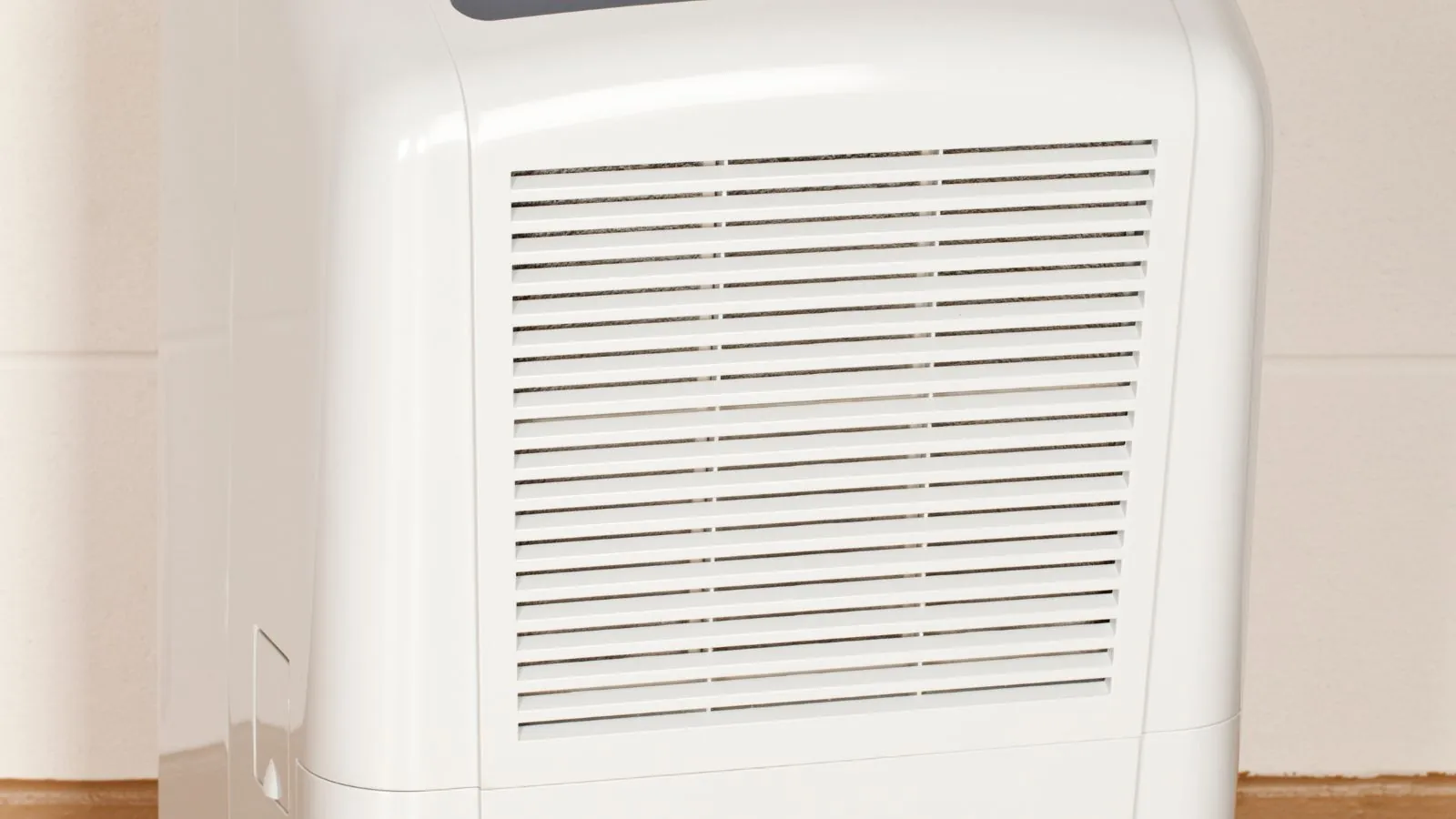
Air movers push dry air across wet surfaces, and dehumidifiers pull moisture out of the air. The equipment is placed according to the room's size and the wet area, and it is adjusted as the drying progresses. The structural drying page explains the principles in detail.
Step 6: Monitor and document
Moisture readings are taken daily and recorded. The crew moves or removes equipment as areas dry, and keeps going until the readings match a dry reference. The log is your proof that the job reached a dry standard, and it is what an insurer will ask for.
Step 7: Clean and deodorize
Surfaces are cleaned, and contaminated areas are disinfected. Odors from soaked materials are removed with the materials themselves, not covered up.
Step 8: Rebuild
Replacing drywall, flooring, trim and paint is the repair phase. It often needs a different contractor, a permit and time for materials. Drying and rebuild are separate jobs and are usually priced separately.
Ask for the moisture log, the equipment list and the start and finish readings. A job with daily readings is easy to verify. A job with none is a warning.
How the process fits Wyandotte homes
Wyandotte's older neighborhoods, including Glenwood and Ford City, have houses built at different times. Older houses often have plaster, plank subfloors or crawl spaces, and those materials dry differently from modern drywall and plywood. A crew should say how the drying plan accounts for the construction.
Repair after drying may need city review. The Engineering and Building Department handles building matters, and the city's electrical code adopts the 2023 National Electrical Code, which affects any wiring touched during repair.
The same sequence applies in nearby communities such as Riverview and River Rouge, though each city has its own permit office.
How long each phase takes
Extraction usually takes hours. Drying commonly takes several days, and thick materials, concrete and framing can take longer. Rebuild depends on materials and scheduling. Treat any promise of a fixed number of days with suspicion until readings confirm it.
Reading a drying log
A daily log is the most useful document you will receive. It lists the date, the readings in each monitored material, the temperature and humidity in the room and the equipment running. The numbers should fall each day, and the crew should explain any reading that stalls.
| What you see in the log | What it usually means |
|---|---|
| Readings fall each day | Drying is on track |
| A reading stays flat | Moisture is trapped, often in a cavity or under a floor |
| A reading rises | A new leak, or moisture moving from wet to dry material |
| Equipment removed early | Check that the reference readings were met |
| No log at all | Ask for one before paying |
Ask which materials are monitored and what the dry reference is. A reference reading taken in an unaffected room of the same house is the fairest comparison.
What can go wrong
The common problems are drying too fast and too hot, leaving wet cavities closed, ending the job by feel instead of by readings and mixing up category and class. A written plan and daily log protect against all of them.
Who does what on a typical job
Several people can touch a water loss. The homeowner stops the source and calls the insurer. A plumber repairs the failed part. The restoration crew extracts, removes damaged materials and dries. An electrician checks wiring if outlets were wet. A rebuild contractor then replaces finishes. Keeping the roles straight avoids gaps, and it explains why a quote from a drying crew does not include new flooring.
If a crew offers to do all of it, ask for the scope in writing, split by stage, so you can compare it to other bids. The kitchen and wall and drywall pages show how the stages apply to common rooms.
Process questions
Readings in the affected materials match a dry reference, and the crew has recorded them. Appearance and touch are not enough.
Water collects inside cavities where air cannot reach. Small openings let dry air in, and soaked materials are removed.
Usually not. Drying and rebuild are separate stages and are often done by different contractors.
It can, depending on the work. Ask the Engineering and Building Department before replacing wiring, plumbing or structural parts.