Unplug electronics only if you can reach the cord without stepping in water and the outlet and floor around it are dry. If water is on the floor near outlets, a power strip or the panel, do not go in. Turn off power at the breaker only if the panel is dry and reachable, and call an electrician or the utility if you cannot. A wet device can be replaced, and you cannot.
After the area is safe, leave wet devices unplugged and off until they have been dried and checked. Powering on a damp device is the most common way to turn a repairable loss into a total one.
Safety first: the order of operations
The order matters more than speed. Start by looking at the water. If it is rising or has reached outlets, appliances or the electrical panel, treat the room as energized. Stay out and call the utility or 911 if there is any doubt.
If the panel is dry and you can reach it without standing in water, switch off the breakers for the wet areas, or the main breaker. Then you can remove devices from the water without the shock risk. Never use a wet hand to flip a switch.
- Standing water reaches an outlet, a power strip or a plugged-in appliance.
- The electrical panel or meter is wet.
- You hear buzzing or smell something burning.
- A ceiling with a light fixture is dripping.
In any of these cases, leave the area and call for help from outside.
What to do with each type of device
| Device | If it got wet | First step | Next step |
|---|---|---|---|
| TV or monitor | Do not power on | Unplug when safe | Let a technician check |
| Laptop or phone | Do not charge | Power off, remove battery if possible | Dry and have it tested |
| Computers and hard drives | Do not power on | Unplug | Data recovery if needed |
| Chargers and cords | Discard if soaked | Unplug | Replace |
| Power strips | Discard | Unplug | Replace |
| Major appliances | Do not run | Switch off at the breaker | Have a technician check |
| Smoke and CO detectors | Test or replace | Check labels | Replace if soaked |
Do not rely on drying a device with a hair dryer, an oven or rice. Heat can warp parts, and rice does little. Open ports and compartments, set the device in a dry, ventilated place and wait for a technician.
Water near outlets or devices?
Stay out of the water and call. Describe where the water is and ask what to do about power.
Appliances and wiring behind walls
Water in a wall can reach outlets, wiring and junction boxes you cannot see. An electrician should check circuits that were wet before they are used again. Outlets and breakers that got wet may need replacement, and some wiring may be fine after drying. The wall and drywall page explains how wet cavities are opened and dried so wiring can be inspected.
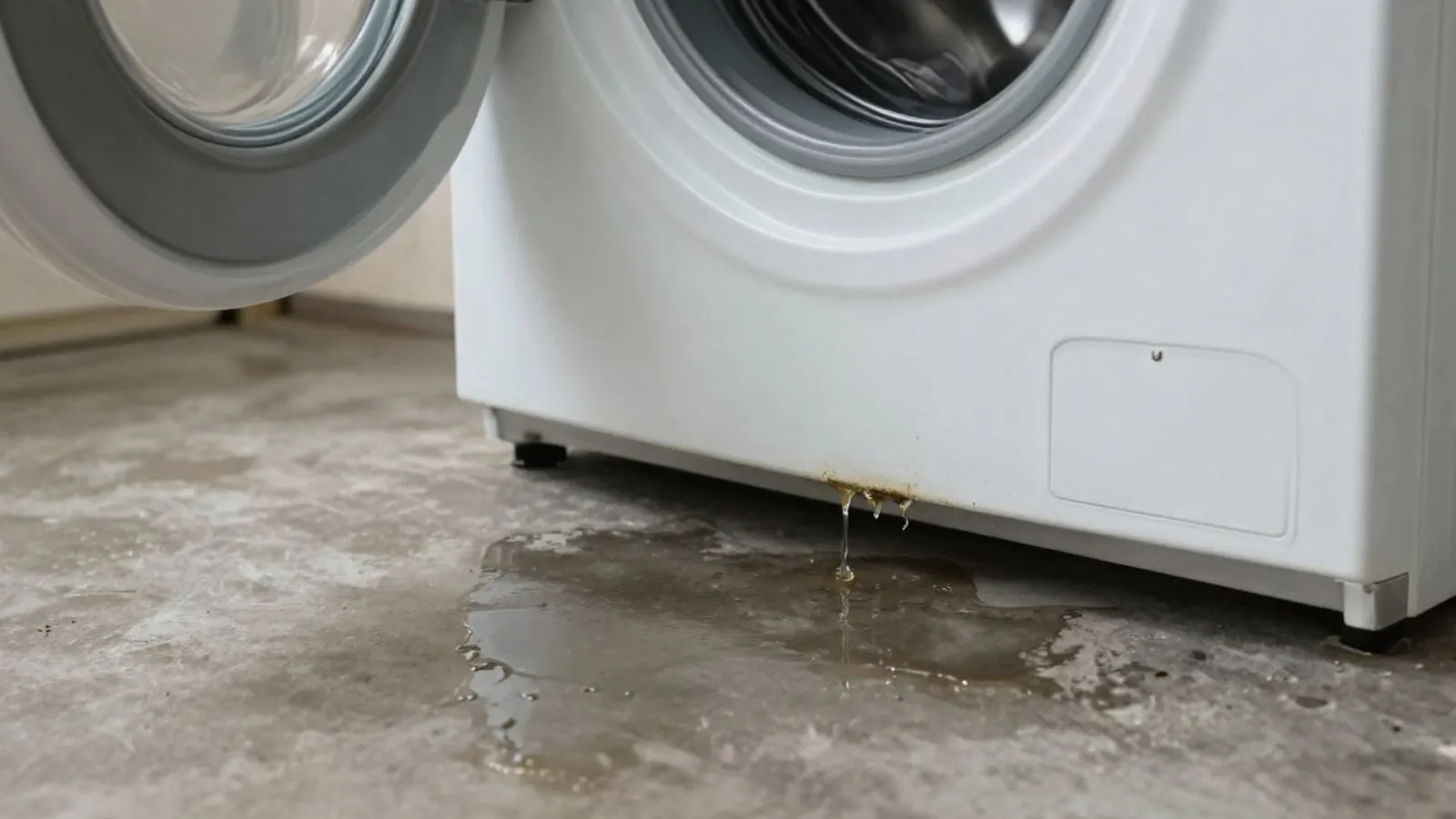
For appliances, see the appliance leak page. A dishwasher, washer or refrigerator that sat in water may have damage to its controls, and manufacturers often advise against running a unit that was submerged.
Smart water protection
Some risks can be reduced before a loss. Keep power strips and chargers off the floor. Use surge protectors with lights, not bare strips, and put sensitive equipment on shelves in basements. A ground fault circuit interrupter on outlets near water is a basic safety device. If your home lacks them, ask an electrician about adding them.
Documenting the loss
Photograph each device, its label and the water line. Keep the model and serial numbers. Insurers often ask for a list of damaged electronics with ages and values, and a photo of the label is the easiest proof. Do not discard a device until your insurer has seen the photos or approved disposal.
The water categories used in this guide come from the ANSI/IICRC S500 standard.
Electrical service in Wyandotte
Wyandotte Municipal Services is the community-owned utility that runs the city's water system and power service, which includes a city power plant. If your meter, service entrance or the line to the house is wet or damaged, the utility is the right office to call, and an electrician handles the wiring inside.
The city's Engineering and Building Department oversees permits, and its electrical code adopts the 2023 National Electrical Code. If panels, outlets or wiring are replaced after a flood, ask the department what inspection applies before the work is closed up.
The same cautions apply for homes in Riverview and Grosse Ile, where the utility and the permit office may be different from Wyandotte's.
After the power is back
Once the area is dry and an electrician has cleared the circuits, restore power in stages. Start with the lights, then outlets, then appliances. Watch for tripping breakers, heat or smells. Test ground fault outlets using their test buttons. If anything trips repeatedly, stop and call an electrician.
Cords, plugs and extension leads
Cords deserve special care. A cord that sat in water can have damaged insulation, and a plug can hide corrosion. Replace extension cords, power strips and any cord with visible damage, and do not splice a wet cord. Heating pads, space heaters and electric blankets that got wet should be discarded. Lamp cords and light fixtures that were exposed to water need an electrician's look before use.
Battery devices are not immune. Lithium batteries that were submerged can fail or swell, so keep them away from heat and dispose of them at a proper collection point rather than throwing them in the trash.
What a technician can tell you
A technician can often tell quickly whether a device is a loss, a repair or a clean-and-test case. Ask about cost against replacement and about data recovery. For equipment that carries important data, back up what you can before you power on anything that got wet.
Electronics questions
Only if you can do it safely. If the outlet or floor is wet, leave it and shut off power at a dry panel or call for help.
Not without a technician's check. Corrosion can form inside and cause a short later.
Often yes. Wiring and outlets in a wet cavity should be checked before use.
Call Wyandotte Municipal Services, and use an electrician for the wiring inside the house.