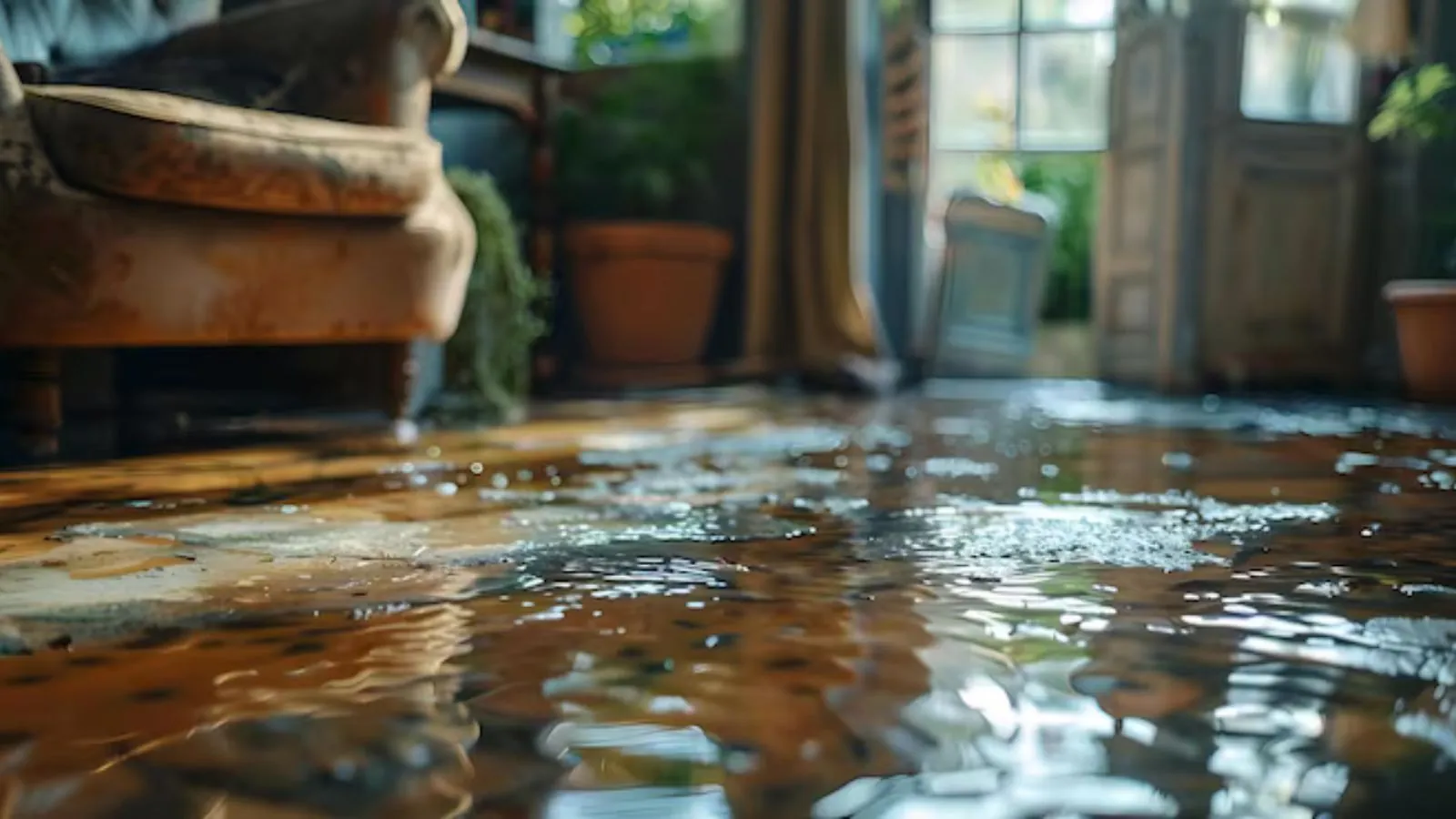
After water damage, keep items that are hard, nonporous and were wet with clean water, clean and dry them quickly and photograph everything before you discard it. Throw away porous or soft items that touched contaminated water, food that touched floodwater and anything that cannot be fully cleaned. When in doubt about a valuable item, ask a professional before deciding.
Two facts drive every decision. The first is the water type. The second is how long the item stayed wet. Clean water caught within a day is forgiving, and the same water left for several days is not.
Start with the water type
Under the ANSI/IICRC S500 standard, water falls into three categories. Category 1 is clean supply water. Category 2 has some contamination, such as washing machine or dishwasher discharge. Category 3 is grossly contaminated, such as sewage or river and flood water.
| Item | Clean water (Cat. 1) | Gray water (Cat. 2) | Sewage or flood (Cat. 3) |
|---|---|---|---|
| Solid wood furniture | Dry and keep | Clean and dry | Clean carefully or discard |
| Particleboard furniture | Often swells, may be lost | Usually lost | Discard |
| Upholstered furniture | Dry fast, may be saved | Often discarded | Discard |
| Mattresses | Discard if soaked | Discard | Discard |
| Carpet | Often saved, pad replaced | Pad replaced, carpet cleaned | Discard |
| Glass, metal, sealed plastic | Clean and keep | Clean and disinfect | Clean and disinfect |
| Books and papers | Freeze or dry quickly | Often discarded | Discard unless irreplaceable |
| Stuffed toys, pillows | Wash if possible | Wash or discard | Discard |
The carpet water damage page explains the carpet and pad decision in more detail.
Food and kitchen items
Public health agencies advise discarding food that touched floodwater or sewage, including items in cardboard, bags and screw-top containers. Sealed cans can sometimes be cleaned and disinfected, but anything with a damaged seal, a swollen can or unknown exposure should go. If the refrigerator lost power for hours, discard what the guidance says to discard.
Dishes and cookware that touched contaminated water can often be washed and sanitized, but wooden cutting boards, spatulas and baby items such as pacifiers should be discarded.
Sorting through wet belongings?
Photograph first, then sort. Describe what was wet and ask what usually survives.
Clothing and fabric
Washable fabrics wet by clean water can usually be washed and dried. Items touched by sewage or flood water need hot washing with disinfectant, or disposal if they cannot take it. Dry cleaning handles delicate items, so tell the cleaner the water type. Do not mix contaminated laundry with clean laundry.
Electronics and papers
Do not plug in wet electronics, and let a technician assess a device before it is powered on. Valuable papers, photos and books can sometimes be frozen to stop damage until a specialist can dry them.
- Photograph each item with the water line visible.
- List brand, age and approximate value.
- Keep one sample of flooring or fabric if the adjuster asks.
- Do not throw away large items until your insurer has had a chance to see them or approve disposal.
Building materials you cannot keep
Some materials do not survive. Wet insulation, soaked carpet pad and drywall that has lost its strength are removed. Contaminated drywall and insulation come out above the water line. Hard materials such as concrete, tile and framing are cleaned and dried instead. The wall and drywall page explains how that decision is made.
Room by room
In a kitchen, discard food, wooden utensils and anything porous that sat in contaminated water, and wash hard items. In a bedroom, mattresses, pillows and soft toys are the common losses, while solid wood dressers often survive. In a living room, upholstered pieces depend on the water type, and electronics wait for a technician. In a basement, cardboard, books, carpet scraps and fabric are the usual losses, and metal tools, glass and sealed plastic bins are usually fine after cleaning.
Garages and utility rooms hold paint, chemicals and tools. Wet chemicals can be hazardous, so keep them sealed, away from children and pets, and ask your waste authority about proper disposal rather than pouring anything down a drain.
Cleaning what you keep
Clean in the right order. Remove loose dirt first, wash with detergent and warm water, rinse, then disinfect hard surfaces with a product made for the purpose and follow its label. Let everything dry fully before storing it, since damp storage causes the next problem. Wear gloves and eye protection, and ventilate the room while you work.
For items with sentimental value, such as family photographs or documents, take extra care. Do not scrub them, and do not use heat. Ask a conservator or a professional drying service about valuable pieces before attempting anything aggressive.
How time changes the answer
Every day an item stays wet reduces its chance. Paper starts to degrade within a day or two, and fabrics can develop odors quickly. If you cannot clean something right away, move it to a dry, ventilated place or freeze small items so you can deal with them later.
Wyandotte homes and what gets wet
Wyandotte has 11,872 housing units and a population of 25,058 in the 2020 Census, and many of its houses have basements where families store seasonal items, photographs and tools. Those boxes are often the first things to go in a storm, since cardboard wicks water from the floor.
After the August 2014 storm, FEMA declared disaster DR-4195 in Wayne County. If you are sorting a flooded basement, move what is salvageable to dry shelving and keep anything you may need for a claim. Ask your insurer how it wants damaged items documented.
Neighbors in River Rouge and Riverview sort through the same kinds of losses, and the rules about water type apply anywhere.
A simple sorting method
Make three piles. The first is clean and dry, which goes back after wiping. The second is salvageable with cleaning, which goes to the washer, the sink or a professional. The third is discard. Photograph before you move anything into the third pile, and count the pile before disposal for your insurer.
Sorting questions
If the water was clean and the couch dried within a day or two, it may be saved. Contaminated water means discard.
Rinse gently with clean water, then dry or freeze them. Do not peel stuck photos apart.
Usually yes, since the filling holds water and cannot be reliably cleaned.
Move them to dry space, open them and photograph contents. Paper items may be freezable.